

Before booking a Russian gel manicure, you should understand that it is a precision technique using a dry file and e-file to sculpt the nail bed for a seamless, long-lasting finish. Unlike traditional gels, this method removes cuticle tissue and dead skin with specialized bits rather than nippers, resulting in a cleaner look. At Lilian and Jane Boutique Spa in Flatiron, this signature service is performed with meticulous attention to nail health and aesthetics.
Defining the Russian Gel Manicure Technique
Russian gel manicure is a specialized nail service that utilizes an electric file to remove cuticles and shape the nail plate in a dry environment. This approach differs significantly from standard manicures that rely on soaking and manual nippers. The dry method allows for greater control and precision, reducing the risk of accidental cuts or irritation. For additional details, review the Russian gel Manicure, HydraFacial & PRX services.
Why Precision Matters
The core advantage of this technique is the ability to sculpt the nail edge with extreme accuracy. Traditional wet manicures can sometimes lead to uneven cuticle removal or micro-tears in the skin. By using a dry e-file, technicians can work directly on the nail bed, ensuring that the gel adheres perfectly to the natural nail. This level of detail is why many clients in New York City seek out this specific service for a refined appearance. For additional details, review the Russian gel Manicure, HydraFacial & PRX services.
Preparation and Nail Health Considerations
Proper preparation is essential for the longevity of a Russian gel manicure. You should arrive with clean, dry nails and avoid applying lotions or oils to your hands immediately before the appointment. These products can create a barrier that prevents the gel from bonding correctly to the nail plate.
Assessing Your Nail Condition
It is important to discuss any existing nail conditions with your technician before they begin. If you have brittle, peeling, or infected nails, the technician may recommend a different approach or a break from gel services. At Lilian and Jane Boutique Spa, the focus is on maintaining the integrity of the natural nail while enhancing its appearance. Understanding your own nail history helps the professional tailor the service to your specific needs.
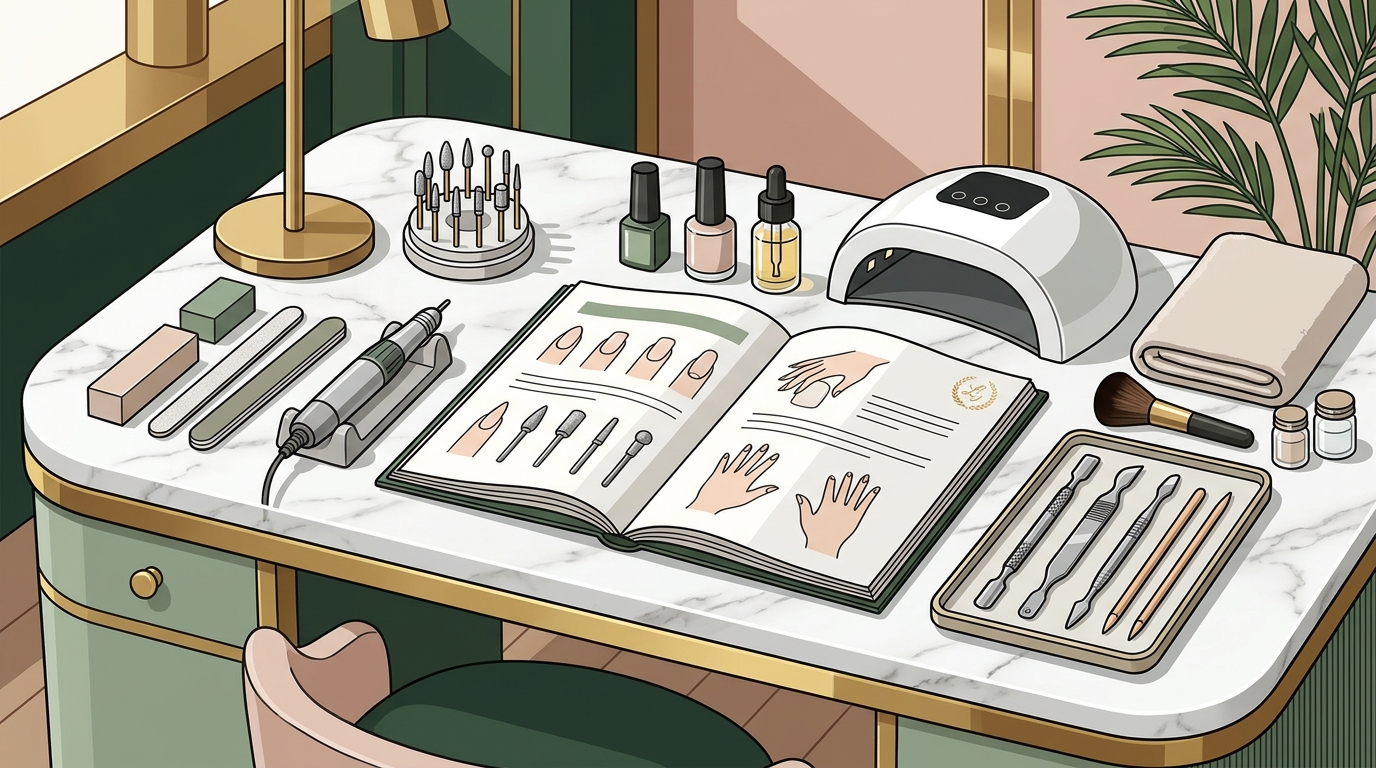
The Step-by-Step Service Process
Key Stages of the Service
- Consultation and Design: Discussing shape, length, and color preferences.
- Cuticle Removal: Using a dry e-file to sculpt the cuticle area.
- Nail Plate Preparation: Lightly buffing the nail surface to ensure adhesion.
- Gel Application: Applying base, color, and top coat layers.
- Curing and Finishing: Curing each layer under a UV/LED lamp and polishing the finish.
Each step is critical to the final result. The precision of the cuticle removal directly impacts how clean the finished manicure looks. Clients often notice that the nails appear smoother and more uniform after this process compared to traditional methods.
Longevity and Maintenance Expectations
A Russian gel manicure is known for its durability, often lasting two to three weeks without significant lifting or chipping. This longevity is due to the superior adhesion achieved through the dry preparation method. However, proper maintenance is required to extend the life of the service.
Extending the Life of Your Manicure
To maximize the duration of your gel, avoid using your nails as tools for opening cans or scraping surfaces. Wearing gloves during household chores can also protect the gel from harsh chemicals. If you notice any lifting, it is best to schedule a repair or removal promptly to prevent water from getting under the gel, which can lead to bacterial growth. Regular touch-ups or full removals every two to three weeks are recommended to maintain nail health.
Safety Standards and Professional Expertise
Safety is a paramount concern when undergoing any nail service, particularly one involving electric files. A qualified technician must be trained in the proper use of e-files to avoid damaging the nail plate or surrounding skin. The tools used should be sterilized between clients to prevent the spread of infections.
Choosing a Qualified Provider
Key Takeaways
- Russian gel manicure is a dry technique using an e-file for precise cuticle removal.
- Proper preparation, including clean and dry nails, is crucial for gel adhesion.
- The service typically lasts two to three weeks with proper care.
- Discuss any nail health concerns with your technician before starting.
- Choose a provider with verified training and strict hygiene standards.
- Regular maintenance and avoiding harsh chemicals extend the life of the gel.
Frequently Asked Questions
How long does a Russian gel manicure last?
A Russian gel manicure typically lasts between two and three weeks. The exact duration depends on individual nail growth rate and how well the gel is maintained. Proper care, such as wearing gloves during chores, can help extend the life of the service.
Is a Russian gel manicure better than a traditional gel?
Can I get a Russian gel manicure if I have brittle nails?
If you have brittle or damaged nails, it is important to consult with your technician first. They may recommend a different approach or a break from gel services to allow your nails to recover. The goal is to enhance your nails without compromising their health.
What should I avoid doing before my appointment?
Avoid applying lotions, oils, or creams to your hands immediately before your appointment. These products can create a barrier that prevents the gel from bonding properly to the nail plate. Arrive with clean, dry nails for the best results.
How often should I get a Russian gel manicure?
It is generally recommended to get a Russian gel manicure every two to three weeks. This schedule allows for proper maintenance and prevents excessive lifting or chipping. Regular appointments help maintain the health and appearance of your natural nails. Learn more: Russian gel Manicure HydraFacial.