
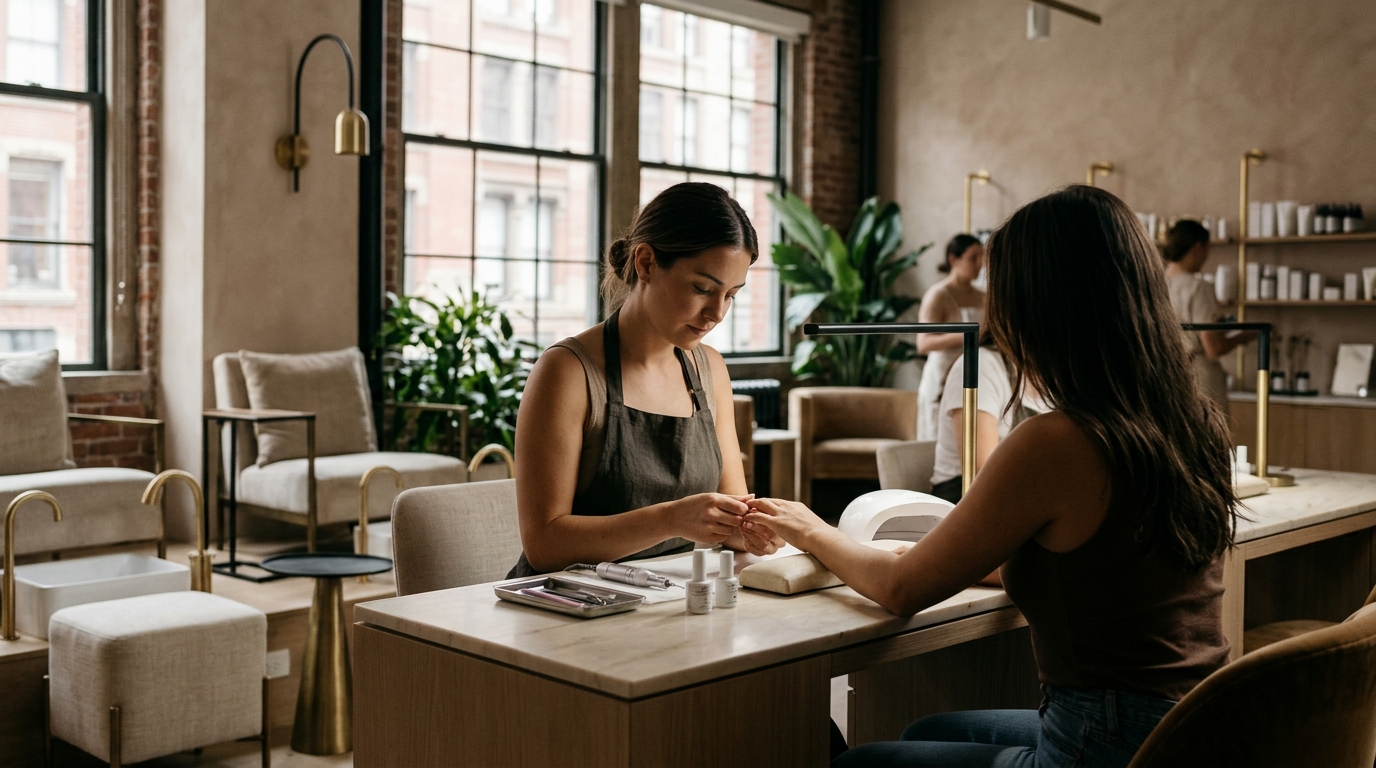
Choosing the right Russian gel manicure in New York City requires understanding the specific techniques that drive durability. This guide outlines seven key options and criteria to help you select the best service for your nail health and aesthetic goals.
1. Precision Dry-File Preparation
Using a dry-file technique prevents moisture absorption and ensures maximum adhesion. Traditional wet filing can weaken the natural nail plate by introducing water into the keratin structure. The Russian method relies on a dry electric file to remove shine and create a micro-textured surface. This approach is critical for clients seeking a finish that resists lifting at the cuticle line.
2. High-Quality Gel Formulation
Selecting a reputable gel system promotes flexibility and resistance to chipping. Gel polish is a photopolymerizable coating that cures under UV or LED light. In NYC, many salons use varying grades of product. Opting for a service that utilizes professional-grade, flexible gel formulas helps the manicure move with your natural nails rather than cracking under stress.
3. Cuticle-Specific Detailing
Thorough cuticle work is the primary determinant of how long a manicure lasts. The cuticle area is where most lifting occurs. A skilled technician will gently push back and trim the cuticle to create a clean canvas. This precision ensures the gel product bonds directly to the nail plate without trapping debris or dead skin underneath.
4. Proper Curing Protocol
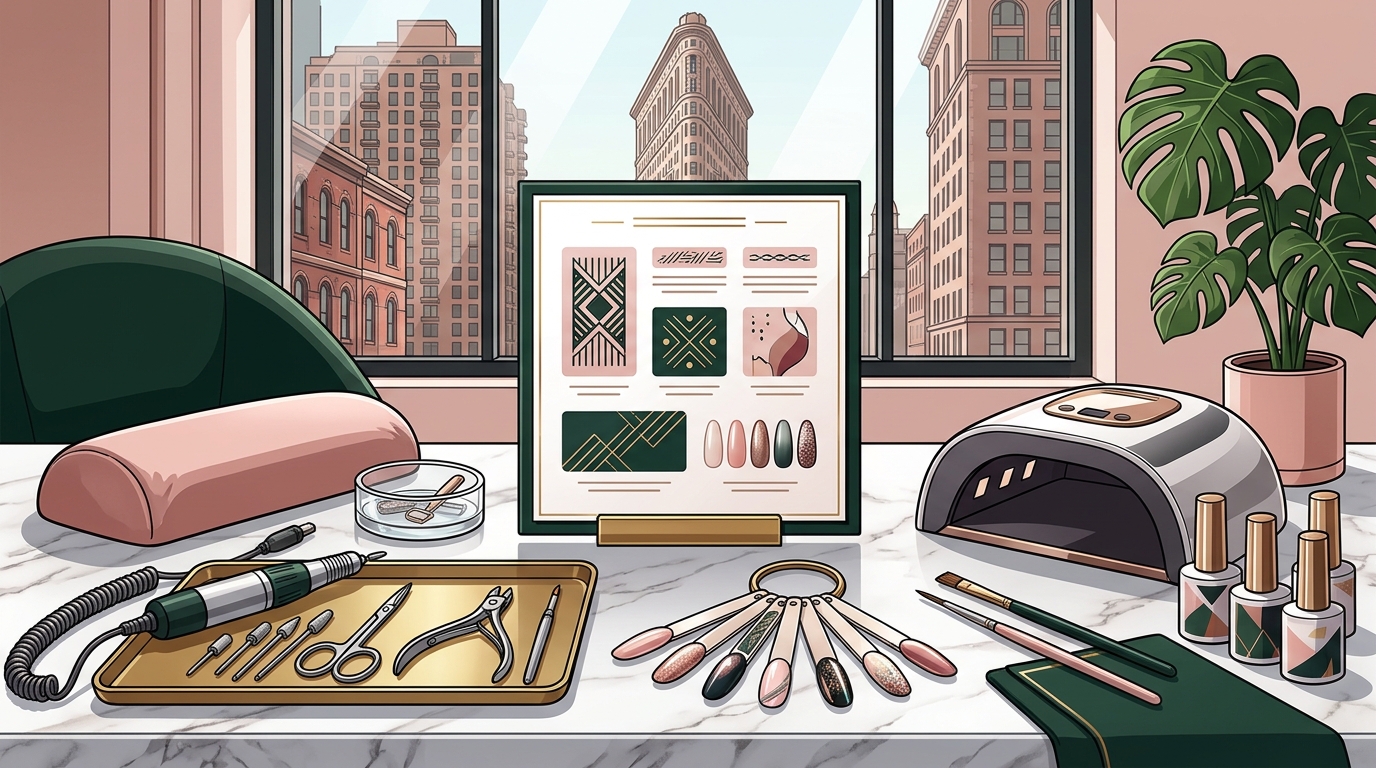
Adequate curing time prevents tacky residue and weakens the bond. Curing is the chemical process where liquid gel hardens into a durable plastic. Insufficient curing leads to a sticky top layer and poor durability. A high-quality service will use calibrated lamps and specific timing intervals to ensure the product is fully hardened before any post-cure cleaning.
5. Shape and Length Customization
Choosing a shape that matches your nail strength reduces breakage risk. Almond and oval shapes are often recommended for durability because they distribute stress evenly. Square shapes, while popular, can be more prone to snapping if the free edge is too long. Discussing your daily activities with your technician helps determine the optimal length and shape for a lasting finish.
6. Top Coat Application Technique
A thick, even top coat seals the edges and adds a high-gloss shield. The top coat is the final layer that protects the color underneath. It must be applied with a